

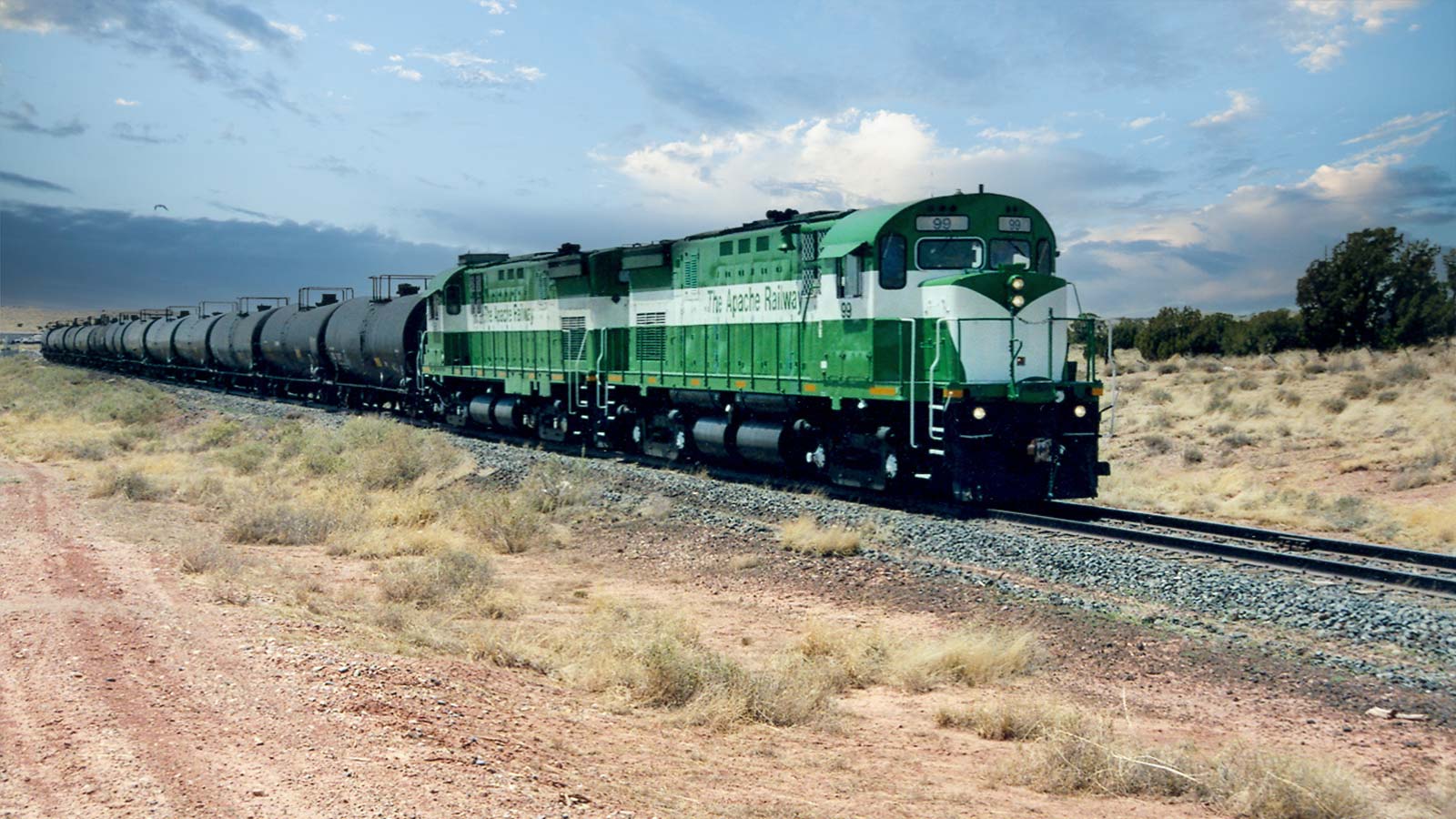
Most people don’t think much about railroads unless they’re stuck waiting at a crossing. When they do picture them, it’s usually the big stuff. Long trains. Long distances. Freight moving from one side of the country to the other.
That picture misses a lot.
Across the U.S., there are smaller railroads working much closer to the ground. They don’t run hundreds of miles at a time. They run through industrial parks, farming regions, and small towns where rail service still matters day to day. These are the railroads that pick up cars one customer at a time and hand them off to the larger network.
In many places, that local connection is the difference between rail access and no rail access at all.
When a short line disappears, businesses don’t just lose a transportation option. They lose leverage. Shipping gets more expensive. Truck traffic increases. Expansion plans get shelved. Sometimes facilities shut their doors entirely, not because demand vanished, but because logistics stopped working.
That’s why short line railroads carry more economic weight than their size suggests. They don’t draw much attention, but they quietly hold together local supply chains that would otherwise break apart.
What a Short Line Railroad Is and How It Fits Into the Rail Network
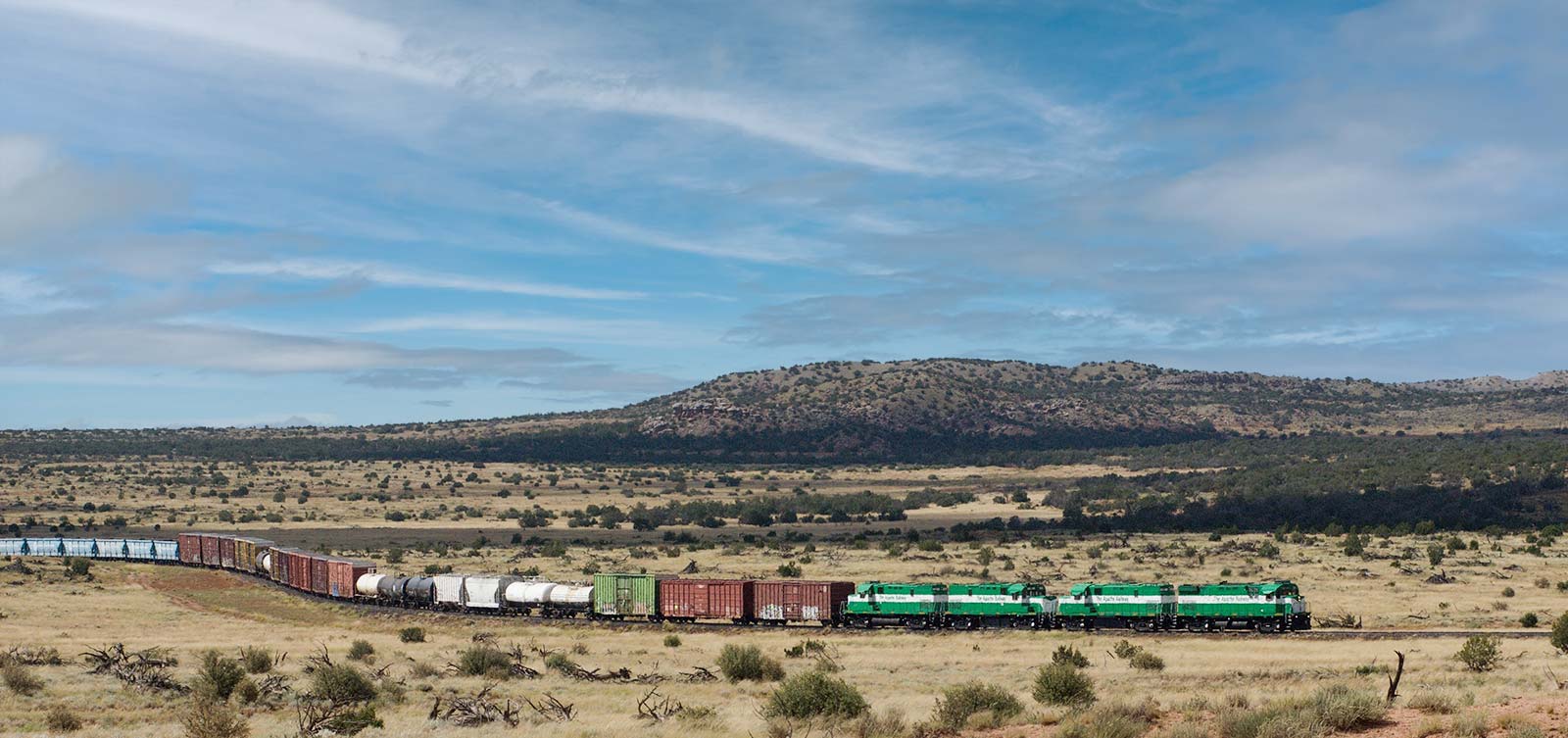
A short line railroad operates over a limited stretch of track, usually serving a specific region or corridor. Its focus isn’t long-distance hauling. It’s local service.
These railroads work directly with shippers. They switch cars at plants. They serve grain elevators, manufacturers, warehouses, and transload sites. Once a railcar is ready to move farther, it’s handed off to a larger regional or Class I railroad that carries it across the country or toward a port.
Inbound freight follows the same path in reverse.
This handoff role puts short lines at the edge of the national rail network. They’re the point where large-scale rail logistics meets local industry. Without them, many businesses would sit just a few miles away from rail service they can’t actually use.
In regions outside major metro areas, a short line is often the only practical rail connection available. When that connection works, industries stay competitive. When it doesn’t, the impact shows up fast.
Short-Line Railroads and the First-Mile, Last-Mile Supply Chain
Short-line railroads tend to operate where the freight rail network stops feeling abstract and starts feeling physical. This is the part of the system that works close to the customer. Short distances. Short stretches of track. Real facilities that still depend on rail.
They handle first-mile and last-mile service that larger rail carriers are not built to manage efficiently. That includes serving individual shippers, switching cars, and moving freight just far enough to connect with the national railroad network. It’s practical work, and it doesn’t scale well for Class I railroads.
The scale, however, adds up. Short line and regional railroads operate roughly 47,500 miles of track across the U.S., representing close to 30 percent of all freight rail route miles. That reach gives small railroads far more influence over the supply chain than their size suggests.
Short-line railroads act as feeder lines for larger railroads like Union Pacific, CSX, Norfolk Southern, and Kansas City Southern. That handoff is the whole point. It’s what keeps direct rail access in place for local businesses. When the connection works, the supply chain runs with less friction. Logistics get easier. Rail transportation stays cost-effective. And fewer loads end up pushed onto trucks. That matters when you’re moving raw materials, lumber, or finished goods through local markets.
The Role of Short Line Railroads in Regional and Rural Economies
In a lot of regional and rural areas, short line railroads aren’t a “nice to have.” They’re the reason rail freight still works at all. These are the rail lines that stay close to the customer, even after larger rail carriers have pulled back. Without that local railroad operation, many communities end up with one option: trucks. And that can get expensive fast.
The economic impact isn’t theoretical. It shows up in payroll and in the businesses that stay open because shipping still pencils out. The American Short Line and Regional Railroad Association has cited estimates that short line and regional railroads support more than 60,000 jobs nationwide when you include direct railroad employment and related economic activity. That includes work well beyond the rail industry itself, local businesses, contractors, suppliers, and service companies that keep the railroads running.
There’s also a policy reason these railroads stay in the conversation. The short line railroad tax credit exists because railroad rehabilitation and maintenance cost real money. Track, bridges, and miles of rail don’t take care of themselves. When those investments don’t happen, rail access gets weaker. Sometimes it disappears. And once a town loses direct rail, it’s hard to get it back.
How Short Line Railroads Support Freight Rail and Industrial Logistics
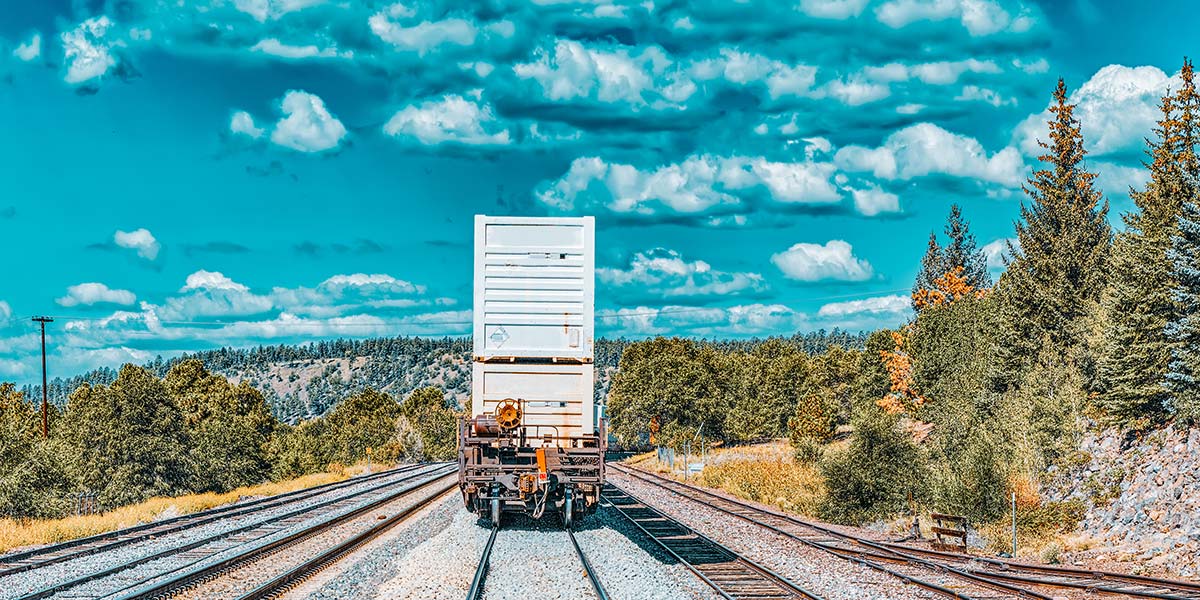
Short line railroads function as working partners within the railroad industry. While Class I rail carriers focus on long-haul efficiency, short-line rail handles switching, railcar storage, and localized railroad operations that keep freight moving at the customer level.
This division of labor is built into how railroads are classified in the U.S. Under Surface Transportation Board definitions, most short line railroads operate as Class II or Class III carriers, serving as the connection point between local shippers and larger railroads in the freight rail network. That structure allows rail carriers to scale service without sacrificing reliability.
By supporting direct rail connections to Class I railroads, short-line railroads stabilize rail traffic and improve the overall movement of goods. For manufacturers, agricultural producers, and logistics operators, that support keeps rail freight competitive within an increasingly complex supply chain.
Short-Line Railroads as Connectors Between Local Shippers and Class I Railroads
Short-line railroads sit at the point where local shipping meets the national freight system. They connect individual shippers to Class I freight railroads, handling the work that doesn’t scale well for larger railroad companies. Switching cars, spotting sidings, coordinating schedules. This is where rail service becomes usable for local businesses.
That connector role matters more than ever as supply chains stretch toward world markets. Short line railroads play a quiet but essential part in keeping goods moving between facilities and larger rail carriers. Without that link, many shippers would be pushed toward less efficient modes of transportation, adding congestion and cost along the way.
Industry groups like the Association of American Railroads and ASLRRA consistently point to this handoff as a core strength of the U.S. rail system. It allows freight railroads to stay efficient at scale while regional short line operators focus on customer-level service where it matters most.
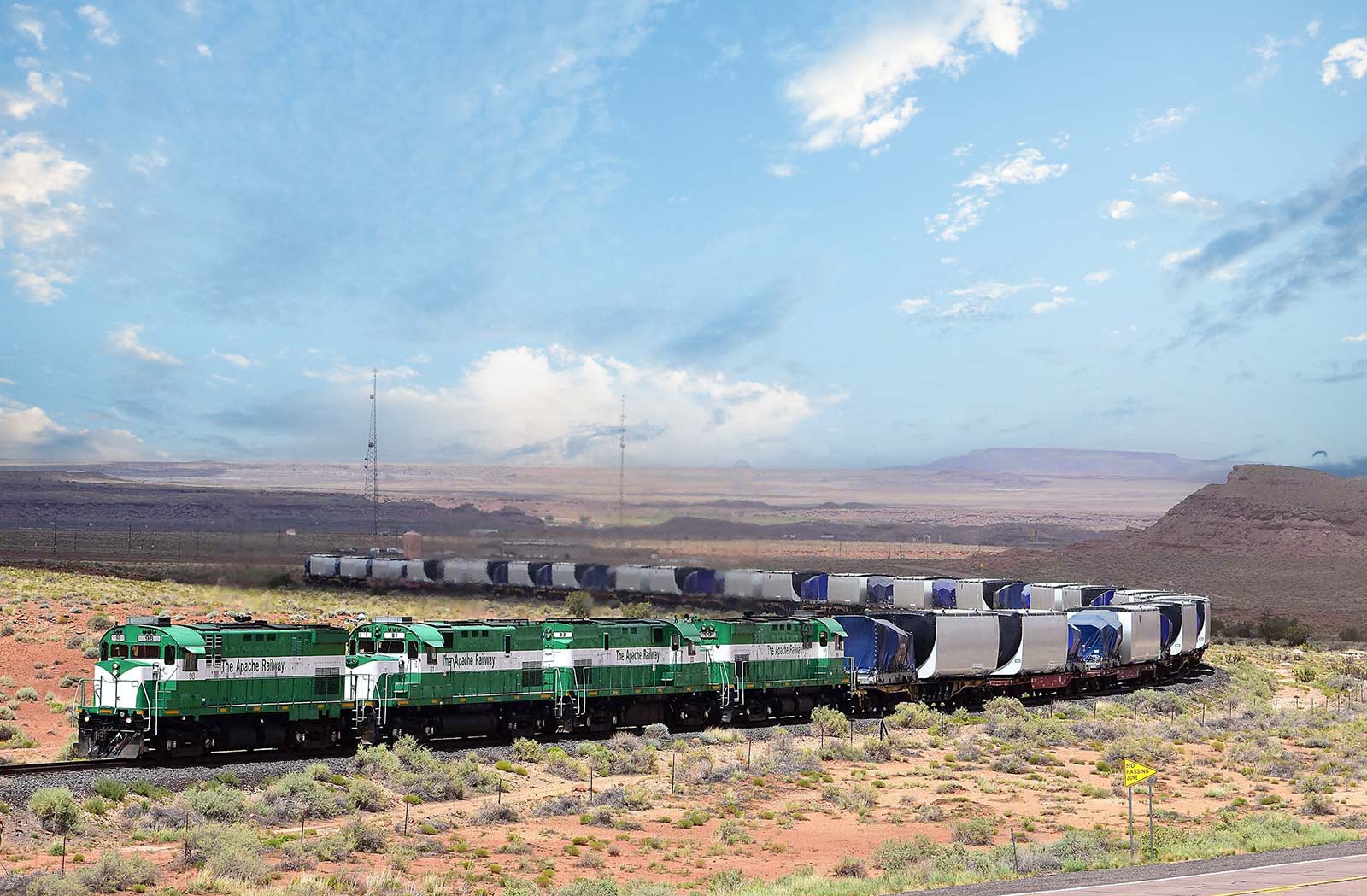
Railroad Infrastructure, Railcar Handling, and Local Capacity
Short line railroads spend most of their time managing physical details. Track condition. Railcar placement. Locomotive availability. These aren’t abstract concerns. They determine whether freight moves today or sits idle.
Infrastructure on short lines often includes older rail, bridges, and yards that require ongoing attention. III railroads operate with smaller teams and tighter budgets, which makes maintenance planning critical. Railcar handling, storage, and switching all depend on having track that can safely support modern freight cars.
This local capacity is easy to overlook, but it’s where railroads provide real value. When infrastructure is maintained, rail stays competitive. When it slips, shipments shift to trucks. That shift increases congestion, raises costs, and adds unnecessary carbon emissions. Keeping local rail infrastructure functional isn’t just a railroad issue. It affects the entire freight network downstream.
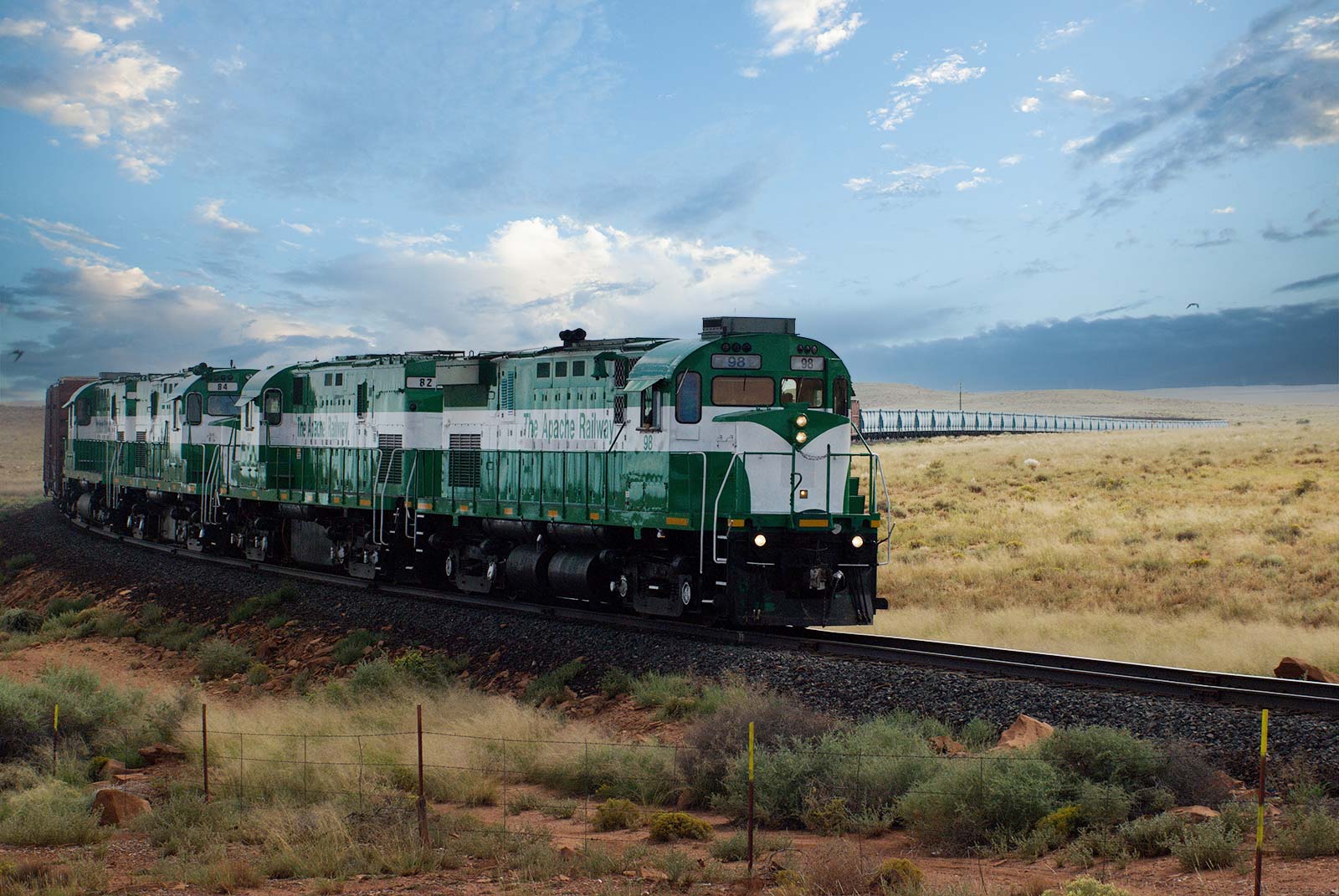
Short Line and Regional Railroads in the Modern Supply Chain
Today’s supply chain doesn’t move in straight lines. Goods move through multiple handoffs, modes, and regions before reaching their destination. Short line and regional railroads are built for that complexity.
These railroads support freight movements that larger carriers can’t always serve directly. They handle specialized shipments, variable volumes, and customers who don’t ship every day. That flexibility creates opportunities for local economic development, especially in areas that rely on rail for raw materials or outbound products.
Short line railroads play a stabilizing role in this system. By keeping freight on rail longer, they reduce pressure on highways and help balance different modes of transportation. The challenges and opportunities are real, tighter margins, aging infrastructure, changing markets, but the value they provide remains constant. When the supply chain works, short lines are usually part of the reason.
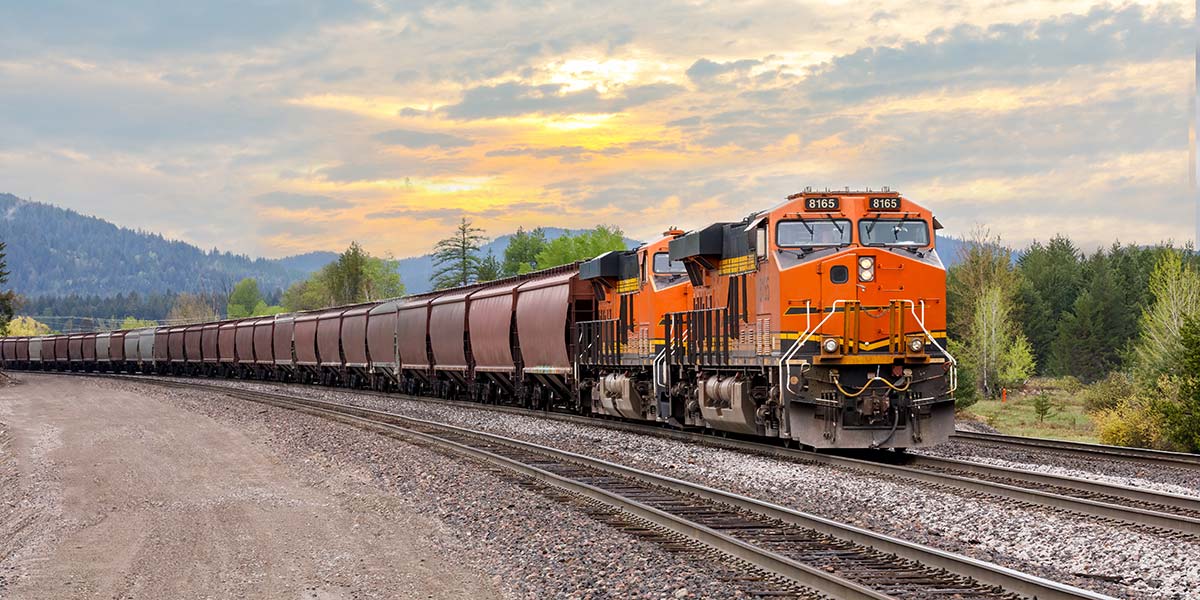
How Short-Line Railroads Work With Regional Railroads and Partners Like BNSF
Short-line railroads don’t operate in isolation. They work alongside regional railroads and Class I partners every day, coordinating schedules, interchange points, and service levels. This cooperation is what keeps rail freight competitive across long distances.
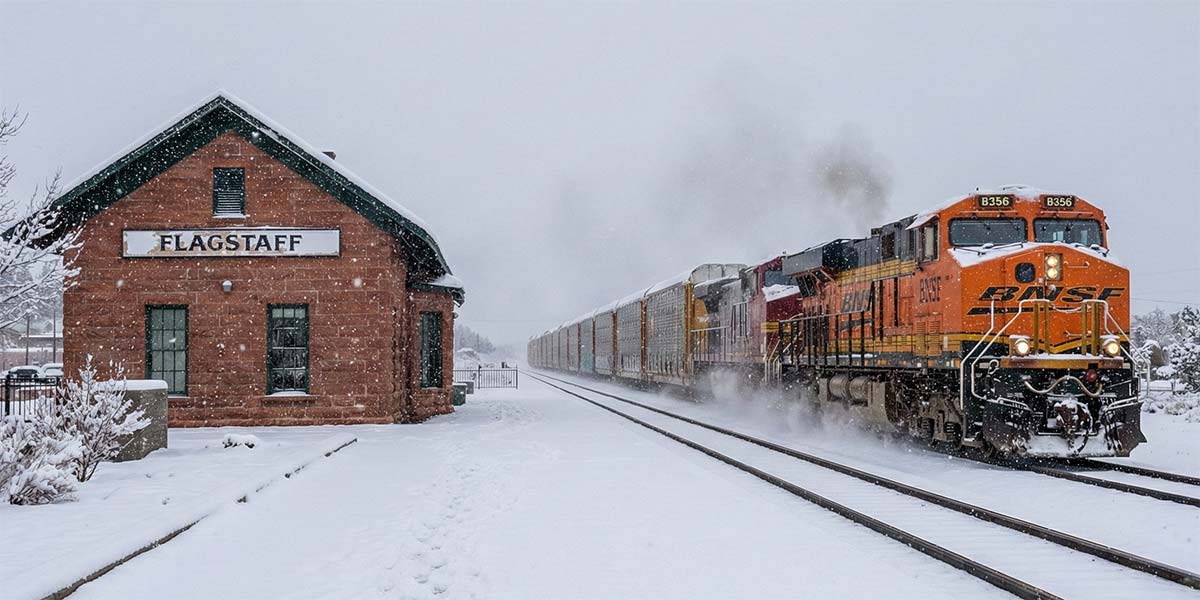
Partnerships with larger carriers like BNSF allow short lines to extend their reach without extending their footprint. A local shipment can move from a short line to a regional railroad and onto a national network without changing modes. That continuity matters for reliability and cost. For Apache Railway, that BNSF connection is the on-ramp. It’s how freight moving through Northern Arizona can tie into long-haul corridors reaching major distribution lanes and world markets.
Across the country, examples like the Twin Cities and Western Railroad or the Arkansas–Oklahoma Railroad show how holding companies and independent operators can build durable regional networks. These connections help railroads across different scales function as one system, rather than a collection of disconnected lines.
Why Investment in Short Line Railroad Infrastructure Matters
Investment in short line railroad infrastructure is about more than track and ties. It’s about keeping options open for communities and industries that still depend on rail transportation.
Federal railroad programs and industry-backed initiatives exist because short lines face real constraints. Smaller railroad companies don’t have the same capital access as Class I carriers, yet they maintain a large share of the nation’s rail network. The return on those investments shows up in direct and indirect economic activity, safer operations, and fewer freight miles shifted onto already crowded roads.
When railroads across regional markets stay strong, supply chains stay flexible. That reduces congestion, limits emissions, and supports long-term growth. In that sense, short line railroads don’t just move freight. They help hold local economies together, one mile of track at a time.
The Value of Short Line Rail, Up Close
It’s easy to talk about railroads in national terms, miles of track, volumes moved, systems at scale. But for most shippers, rail becomes real at a much smaller level. A siding. A loading area. A handoff that works when it’s supposed to.
That’s where short-line railroads do their most important work. They make rail usable for businesses that need reliability without complexity. They keep freight moving in places where options are limited and margins matter.
For Apache Railway, that role shows up every day in freight handling, car storage, and connections that link local shippers to the broader rail network. It’s not about moving the most freight. It’s about making rail work where it counts.