


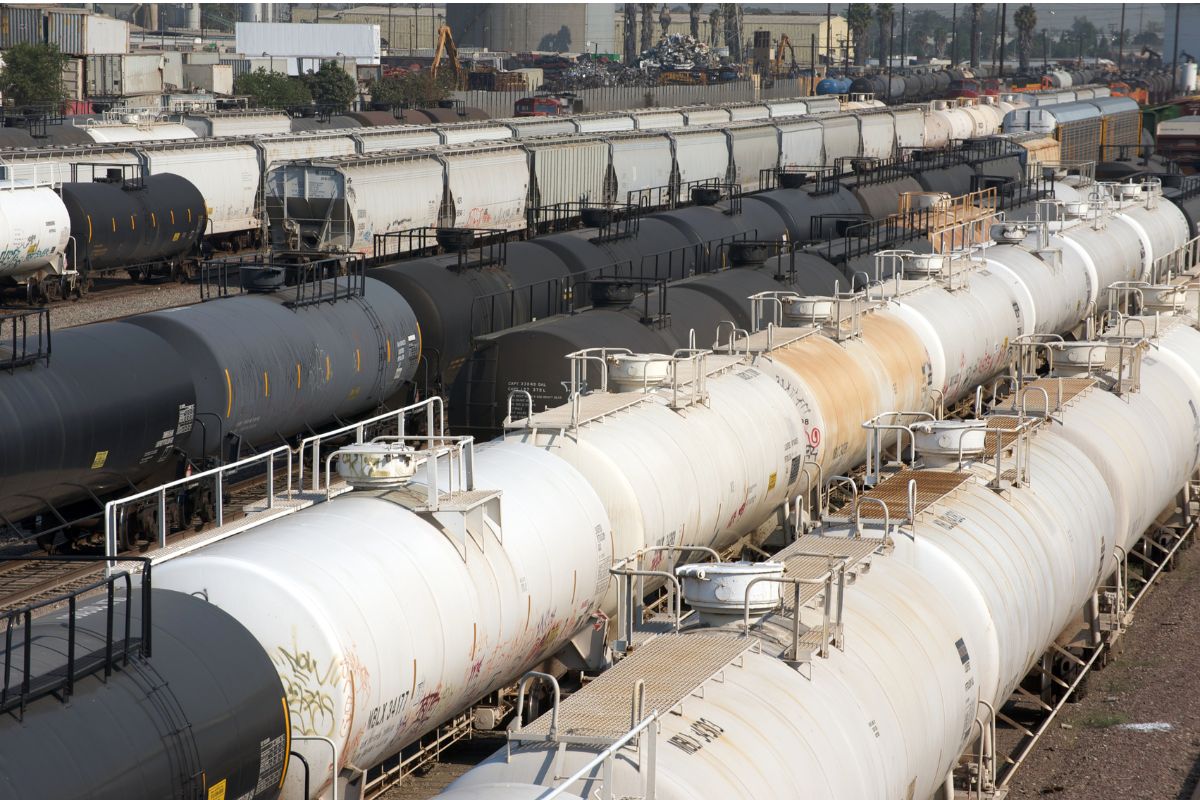
Coordinated rail logistics with a regional edge
Moving freight isn’t just about the cars—it’s about timing, scheduling, and making sure each move connects. The Apache Railway Company provides rail logistics support in Snowflake, Arizona, giving customers a single point of contact for scheduling, pickups, drop-offs, and coordination with BNSF at Holbrook.
We’re not a national logistics chain. Instead, we focus on the region we serve, connecting shippers directly to the BNSF Transcon while managing the details that keep cars moving safely and on schedule.
Integrated services
Apache’s logistics support doesn’t stand alone—it connects with the other services we provide. When a shipper needs railcar repair, cleaning, or storage, those moves are coordinated under the same team that schedules transloading and outbound traffic. That integration saves customers time and avoids miscommunication.
Car staging and coordination
Our crews help organize cars by load status, repair needs, or customer instructions. That includes grouping cars, staging them for pickup, and ensuring BNSF has accurate information for interchange. For customers, this means less waiting and fewer surprises when cars are ready to move.
BNSF interchange
The Apache Railway Company connects directly with BNSF at Holbrook. Every interchange requires timing, paperwork, and coordination, and our team handles those details. Customers can rely on Apache to make sure freight moves smoothly onto the Transcon and from there into national markets.
Customer experience
Larger logistics providers spread support across distant call centers. Apache takes a different approach. We have a small, dedicated support staff that knows our customers and their fleets. Communication happens by phone, email, or whatever channel the customer prefers, and questions are answered quickly.
That personal support sets Apache apart—it’s responsive, direct, and built on long-term relationships.
Regional focus, national reach
Logistics at Apache isn’t about running a national routing desk. It’s about moving freight into and out of the Southwest efficiently, then handing it off to the BNSF Transcon for long-haul service. That focus makes us a practical partner for shippers who need both regional service and national connections.

Logistics support at Apache
From daily scheduling to fleet coordination, Apache provides hands-on logistics support for shippers across the region. Our team works directly with you to keep railcars ready, moving, and in service when you need them.
-
Scheduling with BNSF
Coordinated directly with BNSF to ensure smooth rail connections, efficient timing, and dependable service flow.
-
Car Staging & Fleet Coordination
Streamlined movement of railcars across yards and facilities to keep freight organized and on schedule.
-
Integrated Repair, Storage & Cleaning
One network handling every step, from maintenance to storage to cleaning, without unnecessary transfers.
-
Direct Access to Support Staff
Responsive communication with on-site teams who understand your operation and can act quickly when needed.
-
Regional Focus, National Reach
Serving the Southwest with local expertise, backed by BNSF connections that extend service across the U.S. and Canada.
Coordinating freight through the Southwest with direct BNSF access.

Why shippers rely on Apache for logistics
Apache’s location in Snowflake, Arizona, offers a rare combination: a full-service short line with direct BNSF interchange. For customers, that means cars can be repaired, cleaned, stored, or transloaded in one place, then staged for pickup without leaving the yard.
The dry climate reduces weather-related delays, and the connection to BNSF puts cars back into circulation without detours. For regional producers, it’s a local solution with personal service. For national fleets, it’s a way to anchor Southwest traffic on a line that feeds directly into a Class I network.
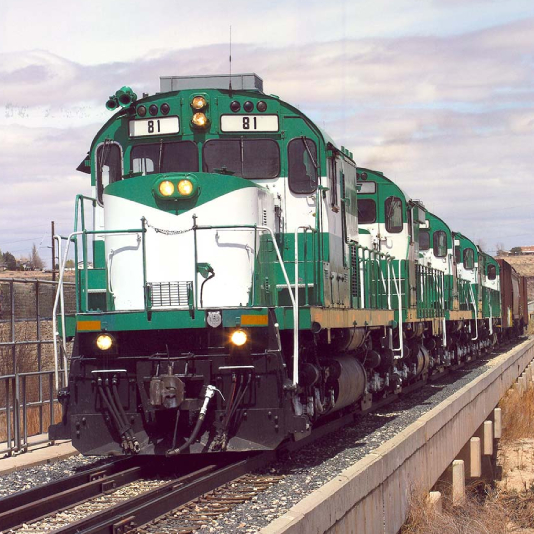
Simplify your rail logistics
The Apache Railway Company provides rail logistics services that combine scheduling, coordination, and direct interchange with BNSF. For shippers, that means fewer calls, less waiting, and the assurance that freight moves from the Southwest into national markets without delay.