

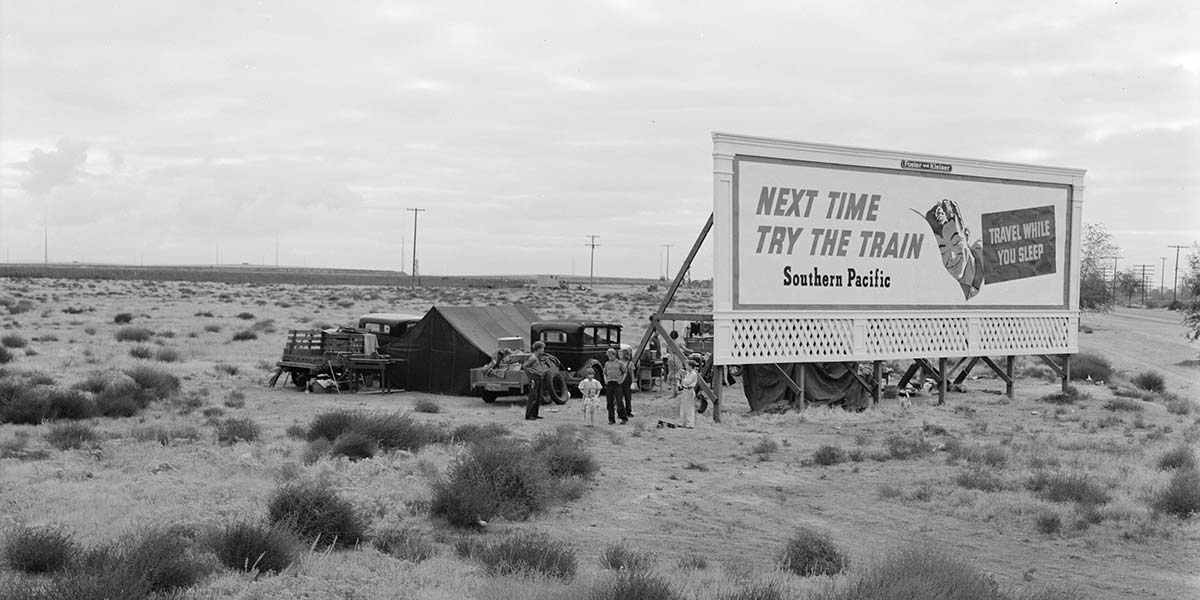
The 1930s were not kind to railroads. Across the United States, the Great Depression pushed companies into bankruptcy, silenced factories, and left freight cars standing idle in weedy sidings. In northern Arizona, the Apache Railway should have been another casualty. Instead, it managed to keep running—even while under court protection for half a decade.
It wasn’t easy. For Apache’s crews, the Depression meant smaller paychecks, long stretches of uncertainty, and a constant fight to prove that the line still mattered. For the towns it served, the trains were a lifeline. Without them, lumber couldn’t move, mills would close, and the surrounding communities of Snowflake and Holbrook would have been isolated in an already punishing economy.
Receivership: A Railroad on the Brink
In October of 1931, Apache Railway entered receivership. The numbers no longer worked: lumber markets collapsed, carloads dwindled, and creditors called in debts. For a short line with only 72 miles of track, there wasn’t much cushion.
Receivership didn’t mean the end, though. It meant Apache fell under court supervision, with an appointed receiver tasked with keeping trains running while restructuring debts. For the next five years, the line balanced on a knife’s edge. Every repair had to be justified. Every payroll was a question mark.
And yet, the trains kept moving. Crews showed up, locomotives rolled, and timber still made its way north to Holbrook. For many in Snowflake and McNary, that persistence was the difference between hanging on and folding completely.
The Great Depression in the Southwest
When people tell the story of the Depression, they usually talk about Wall Street crashes or Dust Bowl storms. Arizona rarely makes the headlines, but the shock waves landed here too.
Apache lived on timber. When housing and construction slowed, orders for lumber dried up. Carloads that once rumbled steadily north to Holbrook dropped to a fraction of their old volume.
In towns like Snowflake, that decline was personal. The railroad was more than a carrier—it was the link between wages and survival. When trains moved, mills stayed open. When they didn’t, families packed up and left.
A Community Determined to Keep the Line Alive
What makes Apache’s story different from so many other short lines of the era is that it didn’t die in receivership. Banks, timber companies, and local leaders all had something to lose if the railroad failed. Together, they leaned in to keep it alive.
The arrangement was far from glamorous. Cash was tight, schedules were unpredictable, and investment in new equipment was impossible. But the railroad remained in service, and that service gave the communities it touched a thread of continuity when everything else was breaking apart.
Stories from the era recall mill workers agreeing to reduced wages just to keep shifts running, or towns that rallied around the promise of one more payroll cycle. Apache’s battered locomotives still whistled through the valleys, a signal that not all was lost.
Emerging from Receivership
By 1936, conditions had begun to improve. Nationally, the economy showed glimmers of recovery thanks to New Deal programs, and demand for timber edged back upward. After five long years, Apache emerged from receivership.
For folks who had watched the trains barely hang on through the lean years, 1936 brought relief. Apache had outlasted the storm. Bigger systems had collapsed, but this small desert line scraped through. The win wasn’t just about keeping steel on the tracks—it was about grit, neighbors pulling together, and the refusal to quit when quitting would have been easier.
Why This Story Still Matters
The Great Depression feels like another world now, yet its lessons are close at hand. Apache’s survival showed what a community line could do with nothing but determination and local backing. Against the odds, the trains kept moving—and that left a mark still visible today. Each chapter of Apache’s story circles back to the same theme: survival mattered because people believed it was worth saving.
Today, when Apache positions itself as a regional hub for storage, repair, and transloading, it does so on the foundation built in the 1930s. The company’s survival then makes its work now possible.
Conclusion
The Great Depression tested the Apache Railway more severely than any business challenge before or since. In 1931, bankruptcy seemed inevitable. By 1936, against the odds, the line emerged intact.
That resilience is the thread running through Apache’s history. It explains why a short line in northern Arizona is still operating more than a century after its incorporation. For Apache, survival wasn’t just about freight—it was about holding together the communities that depended on it.