

The Roots of the Apache Railway
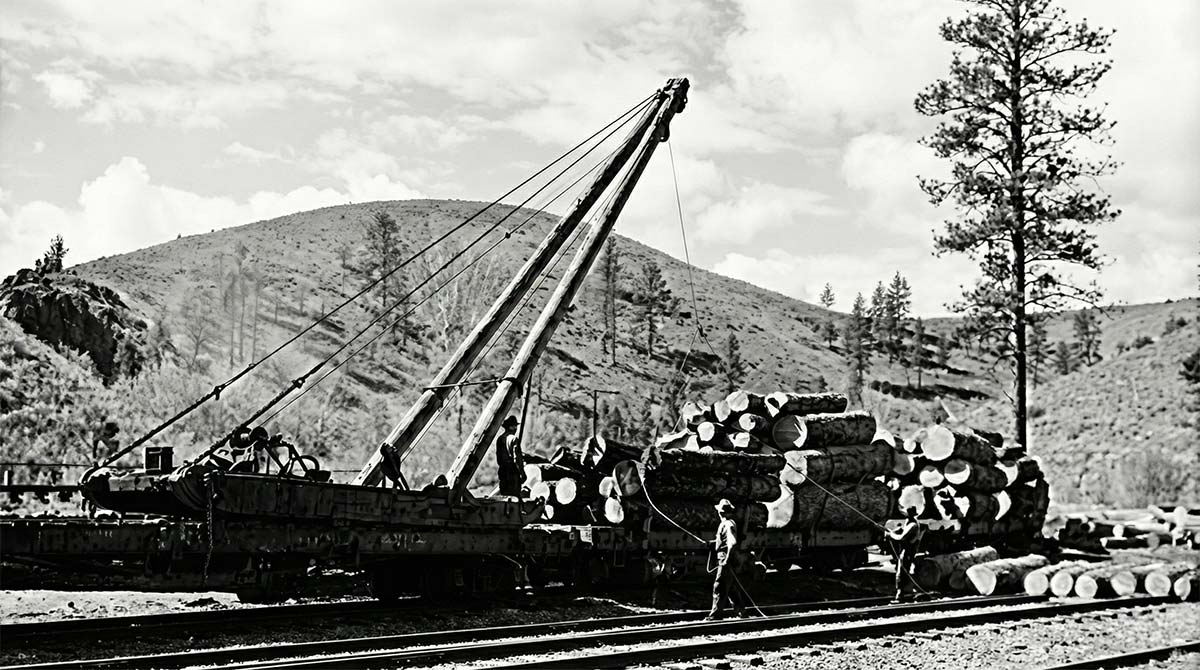
The year was 1917. War pulled men and materiel in every direction, and trains in the East ran heavy with troops and munitions. Out in northern Arizona, far from the battlefields, a different kind of pressure was building—the forests stood thick with timber, and mills were desperate for a way to move it. The forests around the White Mountains held vast stands of pine, and sawmills were hungry for a steady route to get those logs out to market.
That need sparked the creation of a new line—the Apache Railway. Born not out of big-city speculation but out of necessity, it was meant to connect timber country with the mainline in Holbrook. Without it, mills couldn’t survive, and the growing towns nearby would have withered before they had a chance to take root.
Starting Construction
That September, the Apache Railway Company became official on paper. Not long after, survey stakes appeared in the desert, and crews began cutting a rough path through rock and forest. Within a year, steel rails stretched from Holbrook southward into Snowflake—38 miles of track built by hand, mule teams, and grit.
The timing couldn’t have been tougher. Materials were expensive, labor was scarce, and the war effort drew men away. Yet the urgency of moving timber kept the project alive. Freight cars needed to roll, even if every tie had to be placed with fewer hands over longer hours. A year later, trains were already hauling pine down from the mountains, linking the timber country to the Santa Fe connection at Holbrook.
Reaching McNary and Expanding the Vision
The pace of growth was remarkable for such a young railroad. By 1920, the line extended all the way to McNary, stretching the total route to 72 miles.
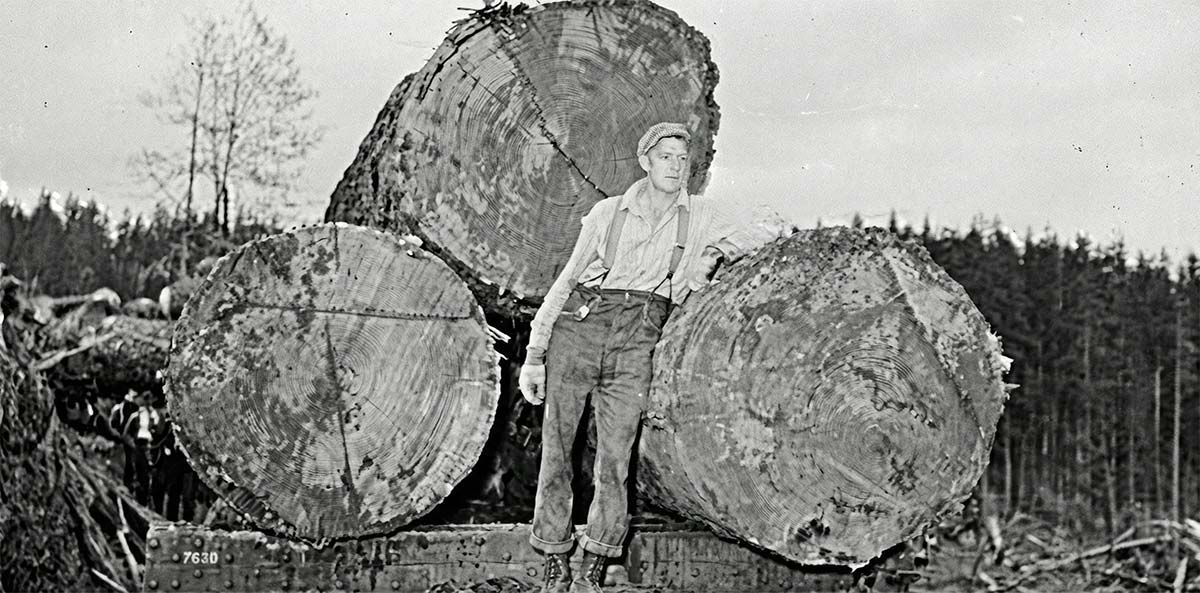
McNary was more than just another stop. It was a company town built around one of the largest sawmills in the Southwest. The arrival of the Apache Railway tied that sawmill to national markets. Timber from Arizona could now reach shipbuilders on the coasts, urban construction in the Midwest, and the railroads themselves, which needed endless ties to lay beneath their steel rails.
In less than three years, Apache had transformed from a hopeful idea into a vital lifeline for the regional timber trade.
The Broader Context: Railroads and War
Step back to 1917 and the wider picture comes into focus. The war overseas chewed through wood at an astonishing rate—munitions needed boxes, ships needed planks, camps needed quick-built barracks. And behind it all were the railroads, straining to keep up. Each new stretch of track meant one more vein feeding the war machine.
Though the Apache Railway was built primarily for the lumber companies, its timing meant it arrived just when the country needed it most. In the years after the war, that same timber fueled domestic construction as cities expanded and Arizona’s own communities grew around their mills.
Local Impact: Building Communities Along the Line
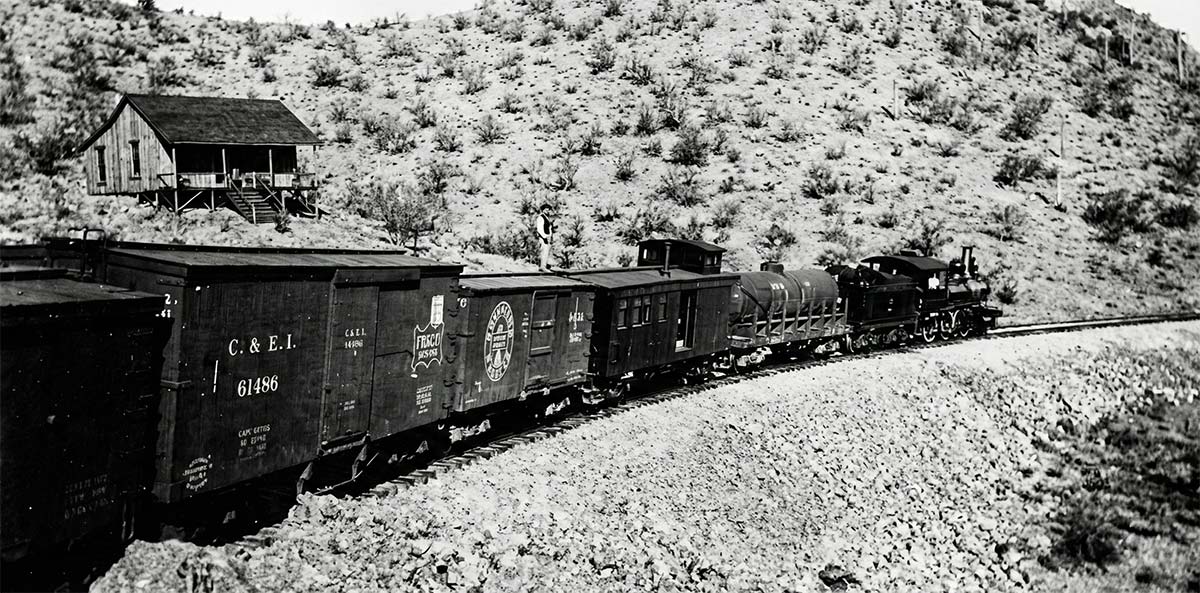
The Apache wasn’t just about timber—it was about people. Snowflake, Holbrook, and McNary all grew with the railroad’s arrival. Stores opened, families moved in, and the promise of steady wages brought workers from across the state.
For Navajo County, the line meant more than jobs. It tied the region’s economy to national markets. Ranchers could ship cattle more efficiently. Farmers gained better access to supplies. And the towns themselves gained a sense of permanence, knowing they weren’t isolated outposts but part of a larger network.
Early Optimism and Foreshadowing Challenges
The first years of the Apache Railway carried a sense of optimism. In a few short seasons, it had connected remote forests to national demand, fueled job growth, and put Snowflake and McNary on the map.
Beneath that momentum was the fragility of dependence on a single industry. The timber trade would fluctuate. The Great Depression lay just a decade ahead. And like many short lines, Apache would face questions of survival.
Still, those early years mattered. Without the tracks laid between Holbrook, Snowflake, and McNary, the story of the Apache Railway—and of Navajo County itself—would have looked very different.
The Foundation of a Legacy
The founding of the Apache Railway between 1917 and 1920 wasn’t just about rails and ties. It was about creating a link between Arizona’s natural resources and the wider world. It was about giving small towns a lifeline to markets far beyond their borders. And it was about starting a story that, more than a century later, still matters to the communities along its route.
For The Apache Railway Company, those first 72 miles built more than a railroad. They built the foundation of a legacy.